
Structured learning
“EPSILON allowed me to organize each day with a different intention. My students participate with greater judgment, simplify complex problems and turn what they learn into decisions they can apply to their projects.”
SCRIVAI's 4 proprietary methods are SCRIVAI, GUARDIAN, EPSILON and ZENIT. From disruptive techniques to collaborative approaches, find the right path to achieve your goals.
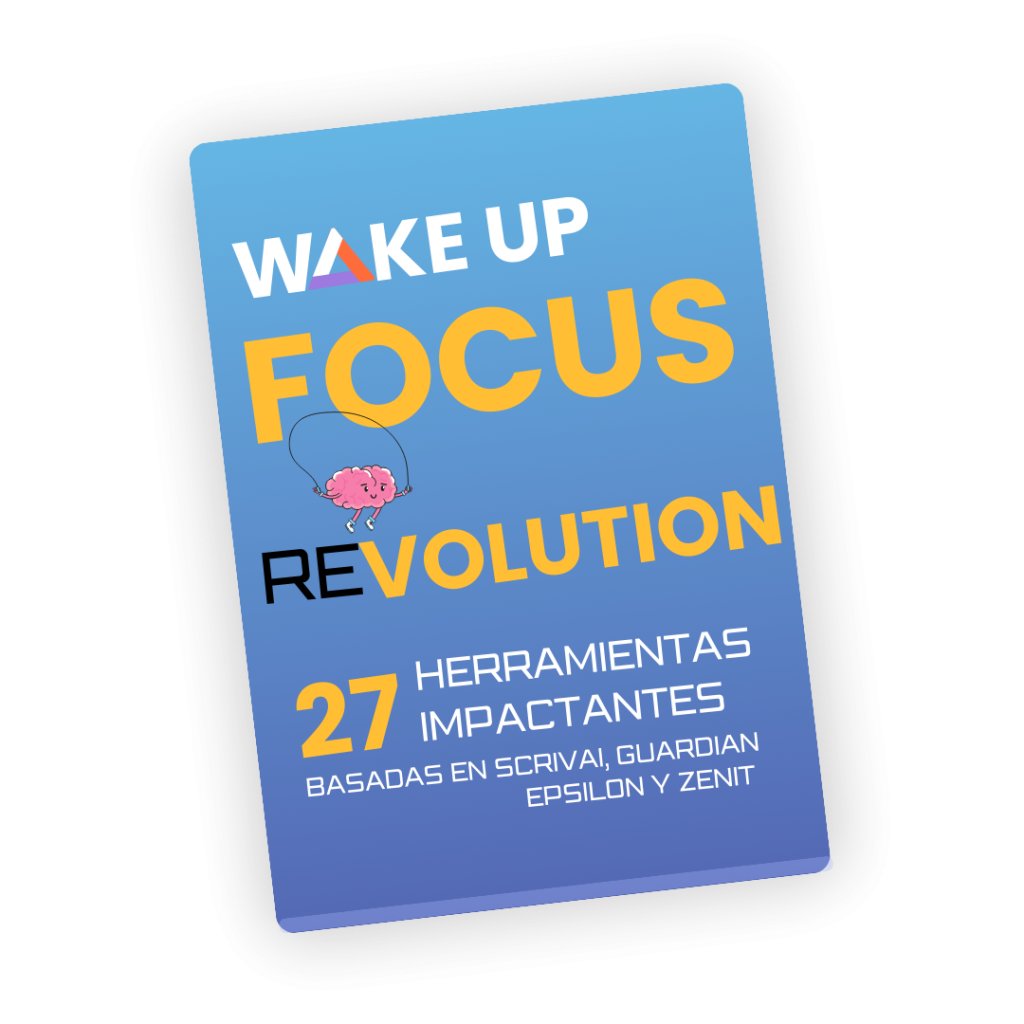
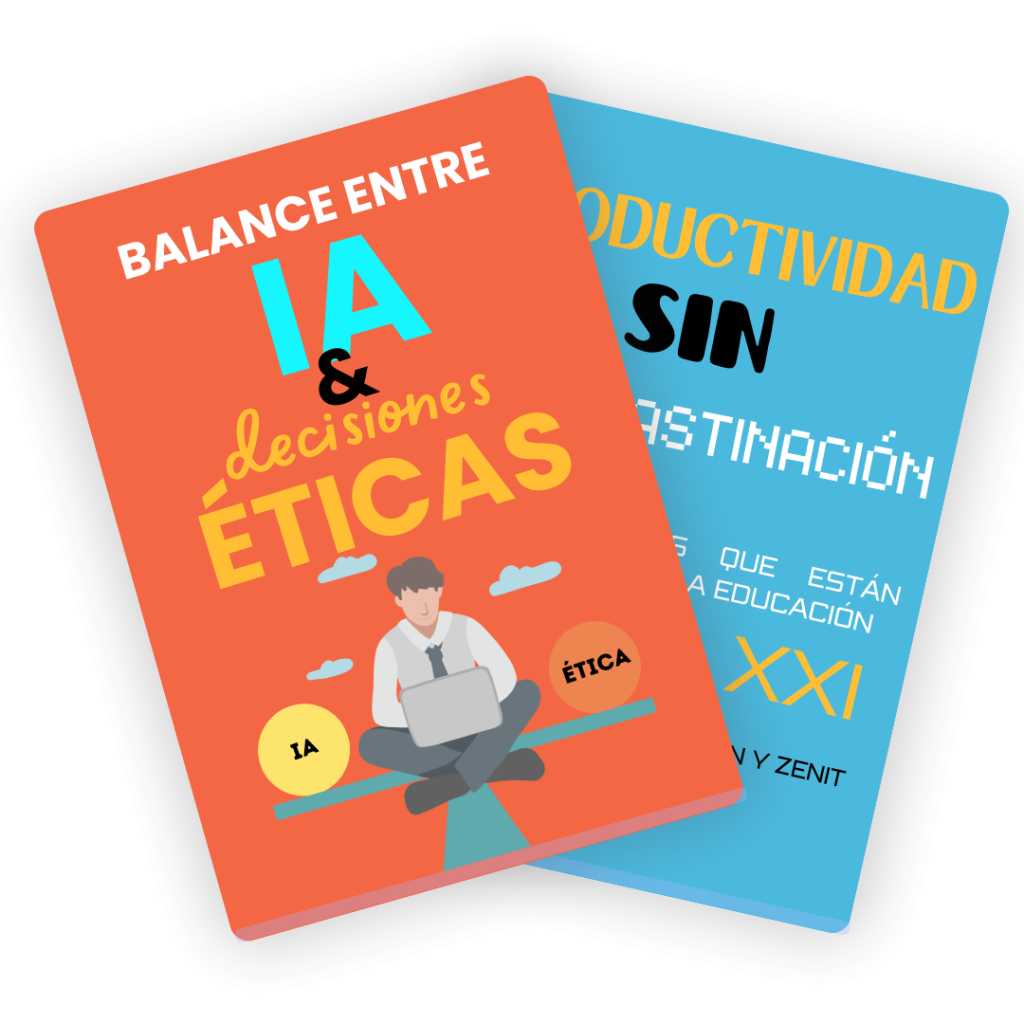
SCRIVAI proprietary methods
The methods live within SCRIVAI software. They do not operate as an identical routine for everyone: the system identifies individual patterns and presents the most useful resource according to resistance, need for structure, commitment or each user's required level of intensity.
Transformation and high productivity



Reported experiences
Experiences showing how SCRIVAI resources can be incorporated into learning, analysis and project development according to each person's context.
Structured learning
“EPSILON allowed me to organize each day with a different intention. My students participate with greater judgment, simplify complex problems and turn what they learn into decisions they can apply to their projects.”
Judgment and execution
“The SCRIVAI Method helped me identify when I was avoiding the most demanding part of an analysis. Short trials allow me to return to work with less resistance and develop arguments using my own judgment.”
Temporary high performance
“Zenit allowed me to concentrate effort on the decisive stages of a project. I work in defined periods, remove distractions and review progress at the end of each block. I maintain a high level of intensity when the objective justifies it, without turning it into a permanent routine.”
01 · Overcome resistance
Introduces a brief, voluntary and safe trial that temporarily increases perceived discomfort. Upon returning to the usual environment, starting or continuing the task becomes the path of least resistance.
Example within the software
The person postpones the essay, interrupts writing or depends on external stimuli to continue.
If the environment and the person's condition allow it, write under a stable table or use a safe alternative: standing or in a minimalist space without internet.
Upon returning to the usual place, the person develops the initial argument using their own judgment and continues the essay with less resistance.
Safety notice: the trials are voluntary and must be adapted to each person's physical, psychological and environmental conditions. Do not perform an activity that could affect your health, mobility or safety. Use a safe alternative and stop immediately in case of pain, dizziness, intense anxiety or any discomfort.
02 · Shared accountability
Turns a voluntary agreement between two people into a clear structure for support and accountability.
Both people work in sync at the same time.
Schedule, objective, rules and specific period.
Simultaneous, cross-check or asynchronous.
Each person confirms the other's commitment.
Voluntary, temporary agreement visible to both participants. Guardian does not imply permanent surveillance.
03 · Internal structure
The week works as a growth system. Each day has a different intention and the software adapts questions and actions to individual behavior.
Evaluate what works, what does not and what deserves attention.
Start with claritySeparate what is important from what is urgent and recognize the greatest impact.
Choose prioritiesEliminate unnecessary steps and complexity that consumes energy.
Simplify processesReduce analysis and execute the highest-impact decisions.
Turn into resultsTurn the week's experience into applicable knowledge.
Learn with evidenceAdjust processes, prevent errors and improve what already works.
OptimizeRecover energy and nourish the mind, emotions and creativity.
Prepare the new cycleNot every day should serve the same purpose.
04 · Temporary high performance
Activates a voluntary period of radical focus when an exceptional goal justifies it. It does not propose permanent sacrifice.
Example within the software
SCRIVAI identifies a critical priority and proposes a temporary sprint with deep work, zero distractions and a progress review at the end.
Limit: Zenit is activated for defined periods and must respect subsequent recovery.
Adaptive process within the software
Zenit is not activated by habit or for everyone. SCRIVAI interprets the context and adjusts intensity to the objective, progress and recovery capacity.
Detects priority, blockage and progress level.
Connects intensity with the exceptional objective.
Activates a temporary sprint with defined limits.
Reviews progress and protects recovery.
Zenit does not ask how much you can sustain indefinitely, but what level of concentration you can activate when the objective truly requires it.
Explore its application
Frequently asked questions
Answers about their adaptation, limits and the way the software presents each resource.
No. Each method addresses a different need. SCRIVAI adapts the resource and its intensity to each user's patterns, objective and moment.
Their principles can become resources applicable in different contexts. Within SCRIVAI they are presented in a structured way and adapt to individual behavior and progress.
No. Guardian is based on a voluntary, temporary agreement with rules known by both participants. Its purpose is to reinforce shared commitment, not establish permanent control.
No. Epsilon preserves an intention for each day, but questions, priorities and actions change according to the person's progress and needs.
No. Zenit is used during defined periods for exceptional objectives. Temporary high performance must include limits, progress review and subsequent recovery.
No. They are voluntary and must be adapted to each person's physical and psychological condition and environment. A trial that could affect health, mobility or safety should never be performed.
INSTITUTIONAL CONVERSATION
We review the context, population and institutional objectives to define the appropriate scope.